Loading...
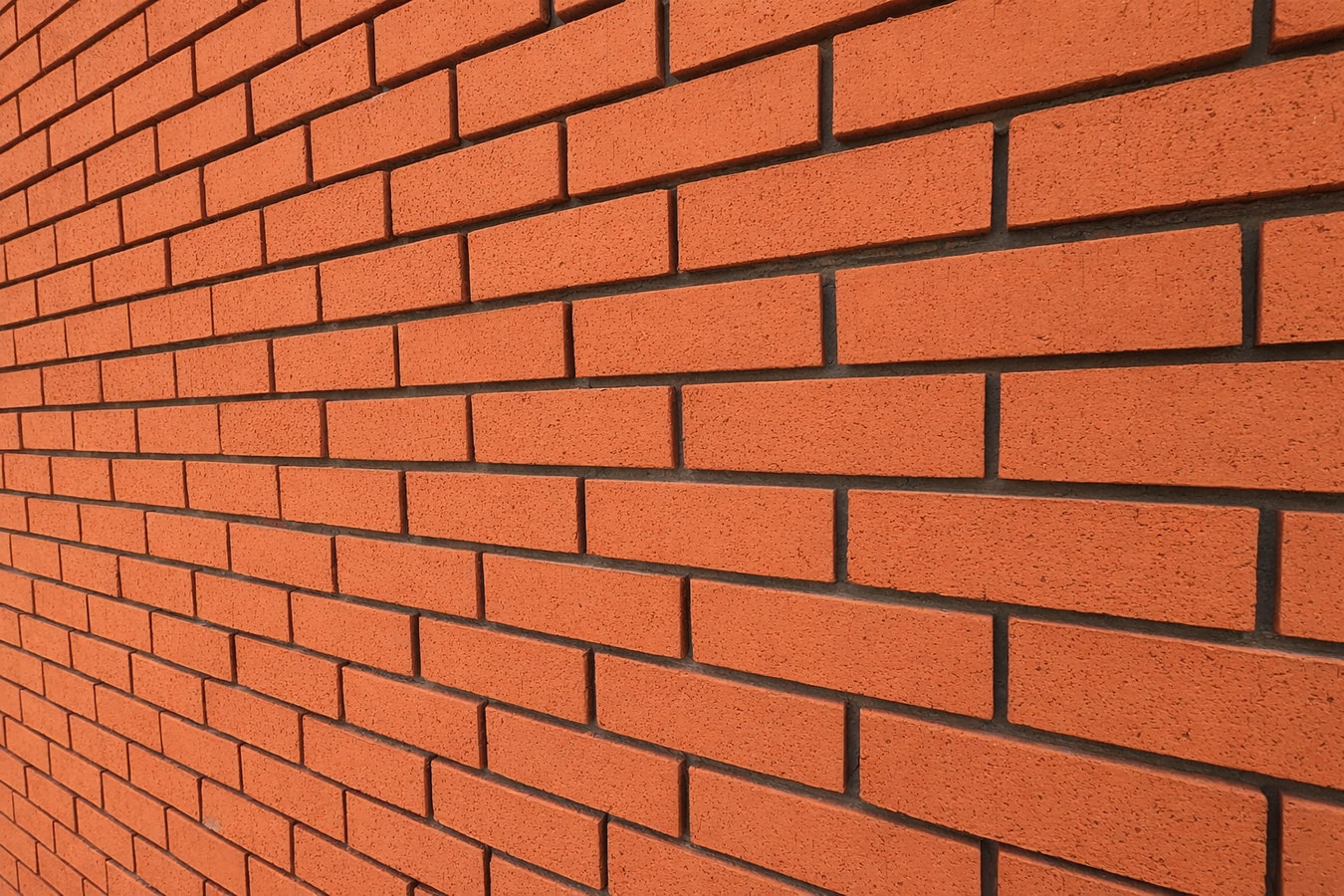
Worn mortar joints are the most overlooked source of water damage in brick homes. We grind out the old material, pack in fresh mortar matched to your home, and seal your masonry for decades.
Tuckpointing in Greenville, SC means removing old crumbling mortar from the joints between your bricks and replacing it with fresh mortar matched to your home, and most residential jobs finish in one to two days without disrupting your household.
Those thin lines of mortar between your bricks are doing more work than they get credit for. They keep water out, hold everything in alignment, and absorb the seasonal stress that would otherwise crack the bricks themselves. When they wear out - especially in Greenville's older neighborhoods where homes were built with lime-based mortars that have a finite lifespan - water finds a way in fast. If you've noticed white chalky staining on your brick or damp patches near interior walls, that's often mortar failure in progress. Many homeowners also find that failing joints lead to deeper problems that require brick repair work if left unaddressed.
The good news: caught early, tuckpointing is one of the most cost-effective repairs you can make to a brick home. The work is straightforward, the results are immediate, and a correctly done repoint will protect your masonry for the next 20 to 30 years.
Run your finger along the joints between your bricks. If the mortar feels soft, crumbles at a touch, or sits noticeably lower than the brick face, it is no longer keeping water out. In Greenville's established neighborhoods, this kind of wear is common in homes that haven't had masonry work in 20 or more years - it's normal aging, not poor construction.
Those white deposits - called efflorescence - mean water is moving through your masonry and carrying dissolved salts to the surface. Greenville averages over 50 inches of rain a year, and in that climate, efflorescence is one of the earliest visible warnings that joints are letting moisture in. It doesn't mean your wall is failing, but it means the joints need attention soon.
Chimneys take more weather exposure than any other masonry on your home - fully exposed on all four sides, including the top. If you can see gaps, dark staining, or loose material in the chimney joints from the ground, tuckpointing is overdue. Greenville's combination of heat cycling from inside and moisture exposure from outside wears chimney mortar faster than wall joints.
If you have a fireplace surround, an interior brick wall, or a brick basement and you're seeing moisture staining or a musty smell after heavy rain, failing mortar joints are a likely cause. Greenville's frequent rainfall means water finds its way through compromised joints quickly. Once it's inside the wall, the resulting damage costs far more to fix than the repointing would have.
Our tuckpointing work covers everything from a single chimney to a full exterior repoint. We start by grinding out the deteriorated mortar to the correct depth - roughly three-quarters of an inch - then pack in fresh mortar by hand and tool the surface to match the original joint profile. For homes in Greenville's historic neighborhoods, we match the mortar composition to the original construction, because using a mix that's harder than the bricks can cause cracking over time. We also address related damage: if joints have failed severely enough that bricks are shifting or cracking, we'll flag that and can handle brick repair alongside the repointing in a single visit.
We also offer brick pointing for new or recently constructed masonry where the original joints were never properly finished, as well as chimney-specific repointing for homeowners who need to address the most exposed section of their masonry before cold weather arrives. Every scope is assessed on-site and priced in writing before any work begins.
Best for older brick homes where joints across the whole facade have reached the end of their lifespan.
Ideal for homeowners who need to seal chimney joints before the heating season or after visible weather damage.
Right for homes where only a portion of the wall shows deterioration, limiting cost while stopping active water entry.
Suited to pre-1960 brick homes in Greenville where using the wrong mortar mix would crack the original bricks.
Greenville sits in South Carolina's Upstate region, where winter temperatures regularly cycle below freezing at night and back above it during the day. That freeze-thaw pattern - water seeping into a small crack, freezing, expanding, and thawing - is one of the main forces that breaks down mortar over time. It's not as severe as what homeowners face in the Midwest, but it's consistent enough that brick homes in Greenville's established neighborhoods show real joint wear after 20 to 30 years. Add the city's above-average annual rainfall - around 50 inches per year - and you have conditions that accelerate mortar deterioration faster than in drier climates. Homeowners in Simpsonville and Greer face the same climate conditions and see the same patterns in their brick homes.
Greenville's older neighborhoods - Augusta Road, North Main, and the West End - have a significant concentration of brick homes built between the 1920s and the 1960s. Mortar from that era was typically a softer, lime-based mix designed to absorb stress and moisture so the bricks themselves don't crack. That softness is a feature, not a flaw, but it does mean those joints wear out faster and need more frequent maintenance than modern formulas. A mason who doesn't know this history may use a modern high-strength mix that looks right on day one but causes brick cracking within a few years. We understand Greenville's housing stock and match every mortar repair to the original construction.
Reach out by phone or through our contact form and we'll respond within one business day. We'll ask where the damage is and how old the home is - details that help us show up prepared.
We walk the exterior in person, assess the depth of joint deterioration, check whether older lime mortar is present, and identify any areas that need more than repointing. You get a written estimate before any work is agreed to - no surprises.
The crew cuts out the old mortar to the correct depth using angle grinders and oscillating tools - the noisiest part of the job. Then they pack in fresh mortar by hand and finish the surface to match the original joint profile.
The crew cleans up debris and walks you through the finished work. Fresh mortar needs 24 to 48 hours before it gets wet, and we'll tell you what to avoid during the curing window so the repair sets correctly.
We respond within one business day. Free estimate, no obligation.
(864) 800-8158We test the existing mortar before choosing a replacement mix. For Greenville's pre-1960 brick homes, that means using a softer, lime-compatible formula - not a modern mix that looks fine on day one but cracks bricks within a few years. The Brick Industry Association recommends this practice for historic masonry, and we follow it on every older home.
Brick Industry AssociationWe have worked on brick homes across Greenville's established neighborhoods - from chimney repoints in the West End to full exterior repoints on Augusta Road. We know the local housing stock, the common mortar types, and the seasonal patterns that drive joint failure here.
You get a clear, itemized estimate after the on-site assessment - not a ballpark over the phone. Scope, materials, and price are agreed to before a single joint is touched. No change orders added quietly after the fact.
We work year-round and can prioritize fall bookings for homeowners who want chimney joints sealed before the heating season. Mortar cures best between 40 and 90 degrees, and we schedule work around Greenville's weather windows to give every repair the best chance of long-term success.
Every one of these points connects to a simple outcome: you pay a fair price once, the repair holds through Greenville's winters, and you don't call someone back six months later to fix the same spot.
Replace cracked, spalling, or missing bricks alongside your repointing work to restore the full integrity of your wall.
Learn MoreFinish new or recently built masonry with properly tooled joints that match the rest of your home.
Learn MoreCall us today or send a message - we respond within one business day and come to you for a free on-site estimate.