Loading...
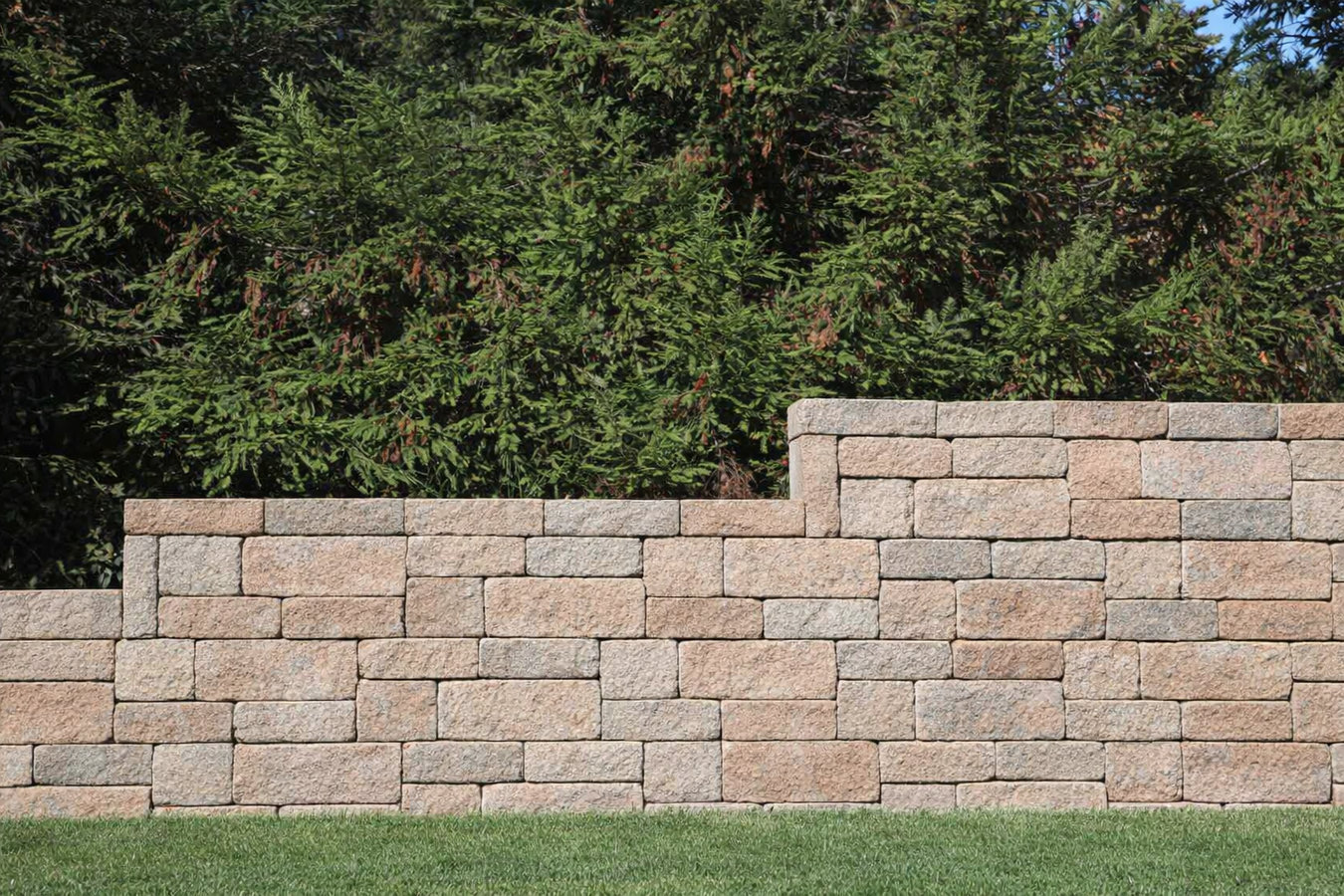
Your slope keeps washing out after every rain. A properly built retaining wall stops the erosion, levels your yard, and holds up through Greenville's heaviest downpours without leaning or cracking.
Retaining wall construction in Greenville, SC involves building a permanent masonry or concrete structure that holds back sloped soil, prevents erosion, and levels out uneven grades, and most residential projects run two to five days on-site depending on wall size and excavation requirements.
Greenville's Piedmont terrain is full of sloped residential lots, and many homeowners watch the same hillside wash out after every heavy rain without knowing there is a permanent fix available. A properly built wall does not just stop the erosion - it gives you usable yard space and protects your foundation from water that would otherwise work its way toward your home.
Walls that hold back large amounts of soil or sit on steep grades often benefit from a companion project. If you need both wall and surface work, pairing a retaining wall with masonry restoration on an existing wall or structure is a common combination for homeowners dealing with aging outdoor masonry.
If you notice soil, mulch, or gravel collecting at the bottom of a slope after it rains, your hillside is actively eroding. Greenville's heavy rainfall and clay-heavy soil make this a common problem on steeper lots. Left unaddressed, erosion can undermine your landscaping, damage your lawn, and eventually threaten nearby structures.
If a section of your property is too steep to mow safely, too uneven to use for outdoor living, or constantly sliding toward your driveway, a retaining wall can level things out and give you that space back. Many Greenville homeowners on hillside lots find that a well-placed wall transforms a frustrating slope into a usable patio or flat lawn area.
If you already have a retaining wall and it is visibly tilting forward, showing horizontal cracks, or bulging outward in the middle, those are signs the wall is under stress it was not designed to handle. This often happens when drainage behind the wall has failed. A leaning wall will not fix itself - it will continue to move until it fails.
When a slope directs water toward your home rather than away from it, you may notice standing water near your foundation after storms. Greenville's frequent heavy downpours make this a real concern for homes on graded lots. A retaining wall combined with proper grading can redirect that water flow and protect your foundation from long-term moisture damage.
Our retaining wall work covers new construction, replacement of failed walls, and repairs to walls that are leaning or showing structural movement. Every wall we build includes drainage behind it - a compacted gravel layer and perforated pipe that channels water away before it builds up pressure against the structure. This is not optional on Greenville projects; the clay soil and annual rainfall make proper drainage the difference between a wall that lasts 50 years and one that fails in five.
For properties with significant slope or soil movement, we sometimes pair retaining walls with concrete block walls where a stronger structural solution is needed - particularly on lots where the grade change is substantial or where a wall also needs to serve as a property boundary.
Best for properties with active erosion, unusable slopes, or water drainage problems that need a permanent structural fix.
Right for walls that are leaning, cracking, or bulging - where repair is no longer a practical option and a full rebuild is the safer choice.
Ideal for steep grades where a single tall wall would require an engineer review - breaking the slope into two or more shorter walls that each handle part of the grade.
For homeowners whose existing wall is still structurally sound but has poor drainage behind it, causing water to build up pressure against the face.
Greenville sits in the Piedmont region of the Upstate, where rolling hills and uneven grades are common across residential lots - especially in older neighborhoods like Augusta Road and North Main where the natural terrain was built around rather than leveled. That terrain, combined with the area's red clay soil, creates conditions where erosion is a recurring problem rather than a one-time event. Clay holds water like a sponge, gets heavy after rain, and pushes hard against anything holding it back. A wall built without adequate drainage behind it will feel that pressure after every storm - and Greenville gets around 50 inches of rain per year. Homeowners in Taylors and the foothills north of Greenville deal with this regularly on lots that slope toward the street or toward neighboring properties.
Greenville's rapid growth has also brought a wave of new contractors to the area, not all of whom understand local soil conditions and drainage requirements. The difference between a wall that holds for 50 years and one that leans within five usually comes down to what is behind the wall - gravel backfill and perforated pipe that let water escape before it builds up. Every wall we build in Greenville County includes this drainage system as a standard part of the project, not an upgrade. If you are in Fountain Inn or anywhere across the county, the same Upstate clay conditions apply and the same drainage-first approach protects your investment.
We respond within one business day. We will ask a few basic questions - the wall's location, a rough sense of its length and height, and what problem you are trying to solve. Then we schedule a free on-site visit to measure the slope and assess soil and drainage conditions before putting together a written quote.
At the estimate visit we walk your property, discuss material options, and explain what the project involves. If your wall will be taller than four feet, we will tell you upfront whether a permit is needed and handle the application to Greenville City or Greenville County on your behalf - typically adding one to two weeks before work can begin.
On the first day of work, the crew excavates the wall location, removes soil, and prepares a level, compacted base. This is the noisiest phase and involves equipment in your yard. A solid foundation is what keeps the wall from settling over time, so this step should not be rushed on Greenville's clay terrain.
With the foundation set, the crew builds the wall course by course and installs gravel backfill and perforated drainage pipe as they go. Once the wall is complete, they backfill, grade the surface, and walk you through the finished work - pointing out where drainage outlets are located and what basic maintenance looks like.
Free on-site estimate. Permits handled for you. We respond within one business day.
(864) 800-8158Greenville's red clay soil and 50 inches of annual rainfall make drainage the most important part of any retaining wall project. We install gravel backfill and perforated drain pipe behind every wall as a standard practice - not an add-on. It is why our walls stay upright and plumb while others start leaning after a few wet seasons.
Greenville's hilly Piedmont lots create retaining wall challenges that are different from flat terrain - steeper grades, more active clay soil, and drainage patterns that require site-specific planning. We have worked on sloped lots throughout Greenville County and understand what the local soil and rainfall demand from a wall's foundation and drainage system.
Walls taller than four feet in Greenville require a building permit from the city or county, and some require engineer review before approval. We handle the permit application on your behalf so the work is fully documented and legal - protecting your investment when it comes time to sell your home.
We hold an active license with the South Carolina Contractors' Licensing Board and carry liability insurance and workers' compensation on every job. The{' '}Mason Contractors Association of America sets professional standards that guide our training and installation practices on every wall project.
Proper drainage, solid foundation work, and licensed installation are what separate a wall that holds for decades from one that needs to be rebuilt. The Mason Contractors Association of America and the International Code Council set the structural and building code standards that inform how every wall we build is designed and permitted.
Restore aging or weathered masonry walls, foundations, and structures before deterioration spreads further.
Learn MoreBuild structural block walls for property boundaries, raised beds, or heavy-duty retaining applications on steep grades.
Learn MoreSpring is Greenville's busiest season for wall and drainage work - reach out now to lock in your project date before the schedule fills up.